
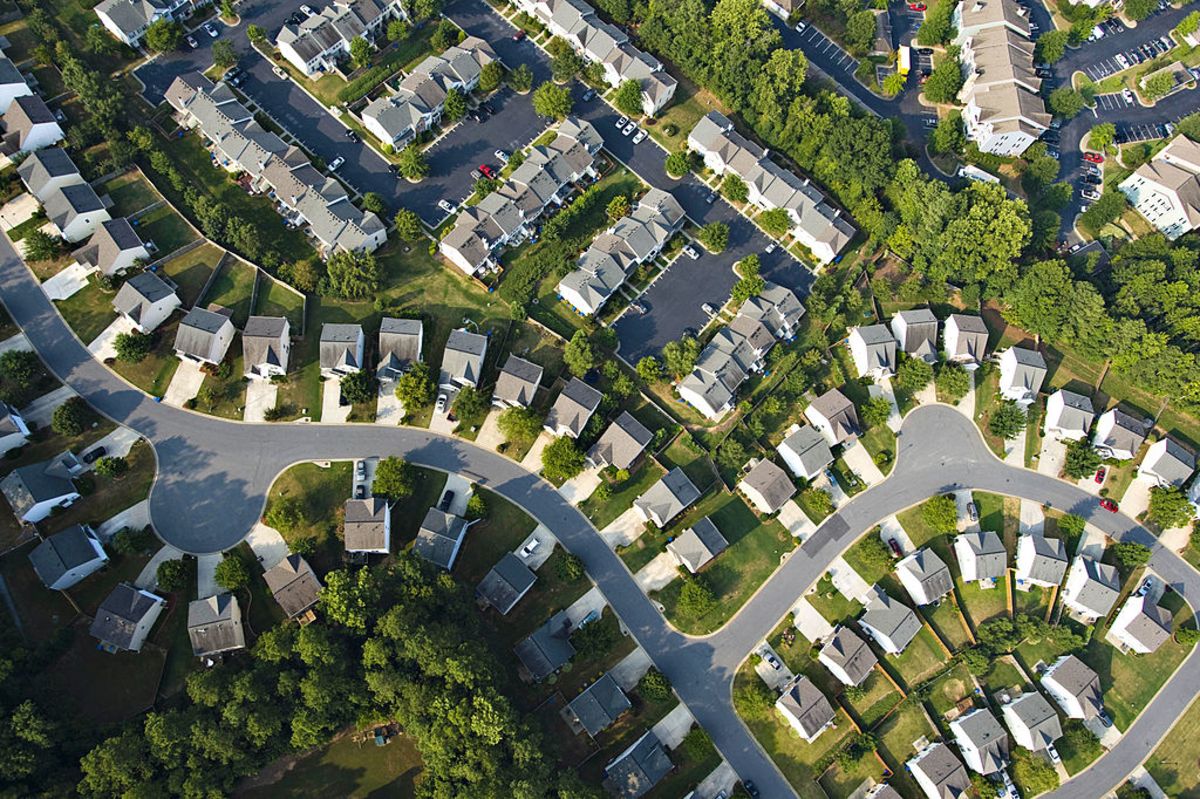

The real estate market is dynamic and ever-changing, influenced by various factors such as economic conditions, supply and demand, and consumer preferences. Selling a property in a competitive landscape requires adaptability and strategic planning to maximize visibility, attract potential buyers, and achieve optimal results. This essay explores effective strategies for sellers to adapt to market changes and navigate the challenges of selling in a competitive real estate market.
Stay Informed About Market Trends:
In a competitive market, staying informed about current market trends and dynamics is essential for making informed decisions and adapting your selling strategy accordingly. Monitor local market indicators, such as inventory levels, median sale prices, days on market, and buyer demand. Pay attention to emerging trends and shifts in consumer preferences that may impact the saleability of your property. Collaborate with experienced real estate professionals who can provide valuable insights and guidance based on their market expertise.
Price Strategically:
Pricing your property strategically is crucial for generating interest and attracting potential buyers in a competitive landscape. Conduct a comparative market analysis (CMA) to assess recent sales of similar properties in your area and determine a realistic and competitive asking price. Avoid overpricing your property, as it may deter buyers and prolong the time on the market. Consider pricing slightly below market value to stimulate interest and create a sense of urgency among buyers, potentially leading to multiple offers and a quicker sale.
Enhance Curb Appeal and Presentation:
First impressions are critical when selling a property, especially in a competitive market where buyers have numerous options to choose from. Enhance the curb appeal of your home by investing in landscaping, exterior repairs, and cosmetic upgrades that enhance its visual appeal and make a positive impression on potential buyers. Stage the interior of the home to highlight its best features and create a welcoming atmosphere that resonates with buyers. Professional photography and virtual tours can further showcase the property’s potential and attract attention in a crowded market.
Differentiate Your Property:
In a competitive landscape, it’s essential to differentiate your property from others on the market to capture the attention of potential buyers. Identify and highlight unique selling points and features that set your property apart from comparable listings. Whether it’s a desirable location, architectural details, recent renovations, or lifestyle amenities, emphasize these qualities in your marketing materials and property listings. Showcase the value proposition of your property and position it as a compelling choice for discerning buyers.
Utilize Targeted Marketing Strategies:
Effective marketing is key to reaching prospective buyers and generating interest in your property. Utilize targeted marketing strategies to reach your target audience and maximize exposure across multiple channels. Leverage online platforms, social media, email campaigns, and digital advertising to showcase your property to a wide audience of potential buyers. Collaborate with real estate agents who have a strong online presence and access to extensive networks and resources for promoting properties effectively.
Be Flexible and Responsive:
Flexibility and responsiveness are essential qualities for sellers navigating a competitive real estate market. Be open to feedback from potential buyers and adjust your selling strategy as needed to address concerns or objections. Accommodate requests for showings, inspections, and negotiations in a timely manner to demonstrate your commitment and willingness to work with serious buyers. Maintain open lines of communication with your real estate agent and be prepared to adapt to changing market conditions and buyer preferences.
Conclusion:
Selling a property in a competitive landscape requires adaptability, strategic planning, and effective execution. By staying informed about market trends, pricing strategically, enhancing curb appeal and presentation, differentiating your property, utilizing targeted marketing strategies, and being flexible and responsive, sellers can navigate the challenges of a competitive real estate market and position their properties for success. With careful planning and proactive engagement, sellers can maximize visibility, attract qualified buyers, and achieve optimal outcomes in the sale of their properties.