
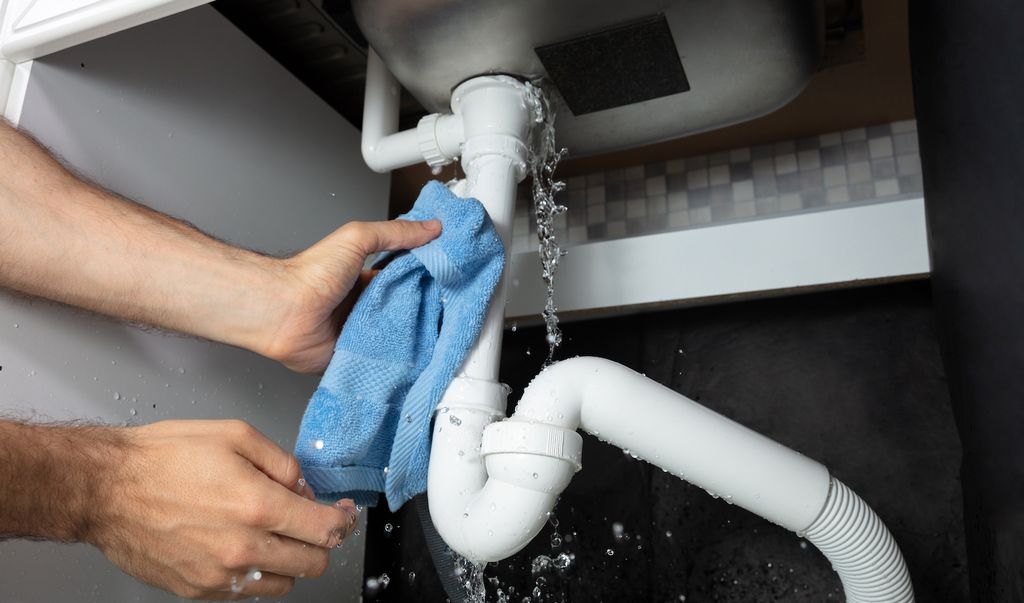

Maintaining a home involves handling a variety of repairs and upkeep tasks to ensure its functionality, safety, and longevity. While some repairs may require professional assistance, many common household maintenance tasks can be tackled by homeowners with a bit of knowledge and preparation. This essay offers practical tips for navigating common household repairs and effectively managing maintenance tasks to keep your home in optimal condition.
- Develop a Maintenance Schedule:
Establishing a regular maintenance schedule is key to staying on top of household repairs and preventing minor issues from escalating into major problems. Create a checklist of routine maintenance tasks, such as inspecting plumbing, HVAC systems, electrical outlets, and appliances, and schedule them at regular intervals throughout the year. By proactively addressing maintenance needs, you can identify potential issues early and avoid costly repairs down the line.
- Invest in Quality Tools and Supplies:
Having the right tools and supplies on hand is essential for tackling household repairs efficiently and effectively. Invest in a basic toolkit that includes essential items such as screwdrivers, wrenches, pliers, a hammer, a tape measure, and a utility knife. Additionally, stock up on common supplies like screws, nails, duct tape, lubricants, sealants, and replacement parts for appliances and fixtures. Having these items readily available will save you time and frustration when handling repairs.
- Educate Yourself on Basic Repairs:
Empower yourself by learning how to perform basic household repairs and maintenance tasks. Take advantage of online tutorials, instructional videos, DIY guides, and home improvement books to familiarize yourself with common repair techniques and best practices. Start with simple projects such as fixing leaky faucets, replacing light bulbs, patching drywall, and unclogging drains. As you gain confidence and experience, you can gradually tackle more complex repairs.
- Practice Safety Precautions:
Safety should always be a top priority when performing household repairs. Before starting any repair work, ensure that you have the appropriate safety gear, such as gloves, goggles, and a dust mask, to protect yourself from injury and exposure to hazardous materials. Exercise caution when working with power tools, electrical systems, and elevated surfaces, and follow manufacturer instructions and safety guidelines at all times.
- Know When to Call a Professional:
While many household repairs can be DIY projects, there are certain situations where it’s best to call a professional. If you encounter repairs that are beyond your skill level, involve complex systems, or pose safety risks, don’t hesitate to seek professional assistance. Examples of repairs that may require professional intervention include major plumbing issues, electrical wiring problems, structural damage, and HVAC system malfunctions. Hiring a qualified contractor ensures that repairs are completed safely and effectively.
- Practice Preventive Maintenance:
Preventive maintenance is an essential aspect of homeownership and can help extend the lifespan of your home’s systems and components. Implement preventive measures such as cleaning gutters regularly, inspecting roofing for signs of damage, sealing cracks and gaps to prevent drafts, testing smoke detectors and carbon monoxide alarms, and servicing HVAC systems according to manufacturer recommendations. By addressing minor issues early and implementing preventive measures, you can minimize the need for costly repairs in the future.
Conclusion:
Navigating household repairs requires a combination of knowledge, preparation, and practical skills. By developing a maintenance schedule, investing in quality tools, educating yourself on basic repairs, practicing safety precautions, knowing when to call a professional, and implementing preventive maintenance measures, you can effectively manage common household repairs and keep your home in optimal condition. Taking a proactive approach to maintenance not only preserves the value and integrity of your home but also provides peace of mind knowing that you’re prepared to handle any repair challenges that may arise.